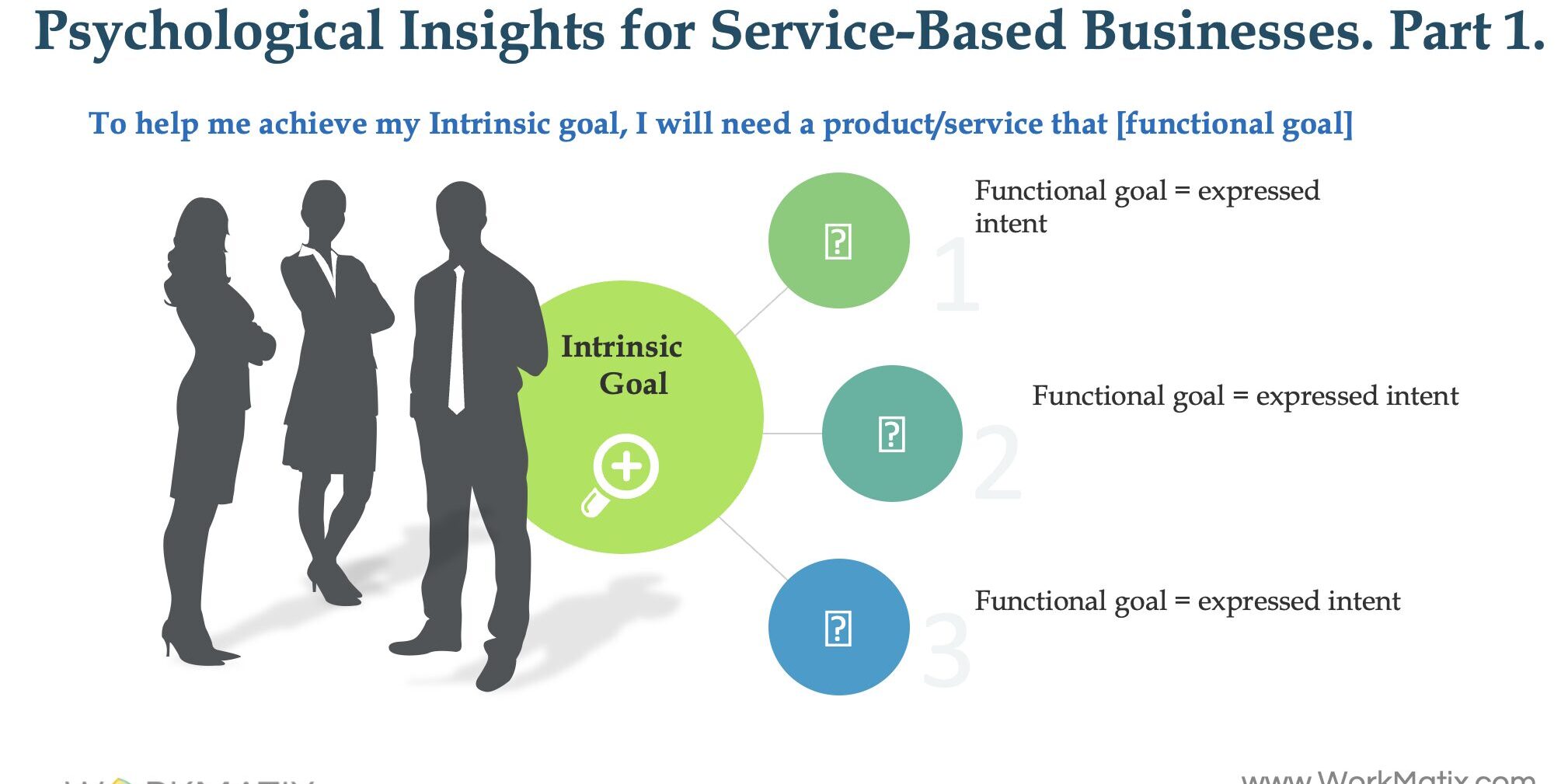
When a company hires an outside advisor, SEO consultant, agency, strategist, this is not a neutral decision.
It’s emotional. It’s political. And it’s risky for the person making the call.
Here are some other common emotions you and your clients might feel when selecting and working with an outside advisor:
Here are the most common emotional states your buyers are sitting in.
The Emotional Reality of Hiring a Consultant
Think of this as the inner monologue of your buyer.
1. “I’m not sure who’s actually good. Everyone sounds smart. Who’s the real expert and who just talks well?”
It means:
I’m feeling insecure. I’m not sure I know how to tell which of the finalists is the genius and which is just good. I’ve exhausted my abilities to make technical distinctions.
They’ve shortlisted a few vendors but now everything sounds the same.
This is expertise-related anxiety. They’ve hit the limits of their technical understanding.
2. “This is my responsibility and that’s uncomfortable. If this goes wrong, it reflects on me.”
It means:
I’m feeling threatened. This is my area of responsibility, and even though intellectually I know I need outside expertise, emotionally it’s not comfortable to put my affairs in the hands of others.
Even if they know they need help, it still feels threatening.
This is identity-related risk. Your service touches their professional credibility.
3. “I’m losing control. Once they’re in, I can’t fully undo this.”
It means:
I’m taking a personal risk. By putting my affairs in the hands of someone else, I risk losing control.
Hiring you means handing over part of their business. This is control-related anxiety, especially common in senior or solo roles.
4. “I waited too long. This has been an issue for a while… now it feels urgent.”
It means:
I’m impatient. I didn’t call in someone at the first sign of symptoms (or opportunity). I’ve been thinking about this for a while.
They didn’t act at the first sign of trouble. This creates impatience + pressure. They want progress, fast — but safely.
5. “Are they judging me? Are they going to think I’ve been doing everything wrong?”
It means:
I’m worried. By the very fact that they are suggesting improvements or changes, these people going to be implying that I haven’t been doing it right up till now. Are these people going to be on my side?
Your recommendations might imply mistakes. This is ego protection. Buyers want support, not blame.
6. “I’m exposed. Some of this isn’t pretty.”
It means:
I’m exposed. Whoever I hire, I’m going to have to reveal some proprietary secrets, not all of which are flattering.
They’ll have to share data, access, and internal realities. This is vulnerability-related anxiety. Trust matters more than tactics here.
7. “I don’t know how big this problem really is. And do they benefit from telling me it’s complicated?”
It means:
I’m feeling ignorant, and don’t like the feeling. I don’t know if I’ve got a simple problem or a complex one. I’m not sure I can trust them to be honest about that: it’s in their interest to convince me that it’s complex.
Simple fix or deep mess? This is skepticism about incentives — very common in consulting.
8. “I’ve been burned before. How do I know this won’t happen again?”
It means:
I’m skeptical. I’ve been burned before by these kinds of people. You get a lot of promises. How do I know whose promise I should buy?
Big promises. Little follow-through. This creates proof-seeking behavior: reviews, frameworks, clarity.
9. “Will they actually understand my situation? I don’t want what worked for your last client. I want what works for me.”
It means:
I’m concerned that they either can’t or won’t take the time to understand what makes my situation special. They’ll try to sell me what they’ve got rather than what I need.
Buyers fear being sold a generic solution. This is context-related sensitivity — hugely important for SEO services.
10. “Will they treat me like a human? Will they explain what they’re doing and keep me in the loop?”
It means:
I’m suspicious. Will they be those typical consultants who are hard to get hold of, who are patronizing, who leave you out of the loop, who befuddle you with jargon, who don’t explain what they’re doing or why, who…, who…., who…? In short, will these people deal with me in the way I want to be dealt with?
No jargon. No disappearing acts. No condescension. This is about relationship fit, not just competence.
Big Insight So Far
When someone hires a service provider, trust beats tactics.
They’re not just buying advisory services.
They’re buying:
- Safety
- Support
- Clarity
- Partnership
What all this shows is that when retaining and working with a consultant, what you (and your clients) want is someone who understands your interests and will not put their interests ahead of yours while working for you. You want someone you can trust to do the right thing. You want someone who will care. Ready to decode your buyer persona? Get the B2B Persona Workbook on Gumroad.