Psychological Insights for Service-Based Businesses. Part 2.
Psychological transformation of a client. The “Point A to Point B” Journey
In service-based businesses, the “Point A to Point B” journey represents the psychological transformation of a client from a state of pain, inefficiency, or desire (Point A) to a state of relief, success, or transformation (Point B).
Successful service providers map this journey not just through operational steps, but by understanding the emotional, cognitive, and behavioral shifts the client experiences.
Point A: Where Is the Client Starting From?
Before you can sell anything, you need to understand the buyer’s current reality.
This is Point A. Ask questions like:
Understanding Their Current State
- What are your top three challenges right now?
- Where do things feel stuck or inefficient?
- What processes are frustrating or breaking down?
- How long has this been an issue?
- How often does it show up?
- What happens because this problem exists?
- What have you already tried — and why didn’t it work?
These questions surface functional pain and emotional fatigue.
Point B: Where Do They Want to Go?
Point B is the desired future state.
This is not just outcomes — it’s relief, confidence, and momentum.
Understanding Their Desired Future
Ask things like:
- What does success look like for this project?
- What would make you say, “This was absolutely worth it”?
- What outcomes would exceed expectations?
- Where do you want the business to be in:
- 6 months?
- 1 year?
- 3 years?
- What bigger vision should this work support?
This is where higher-order goals emerge.
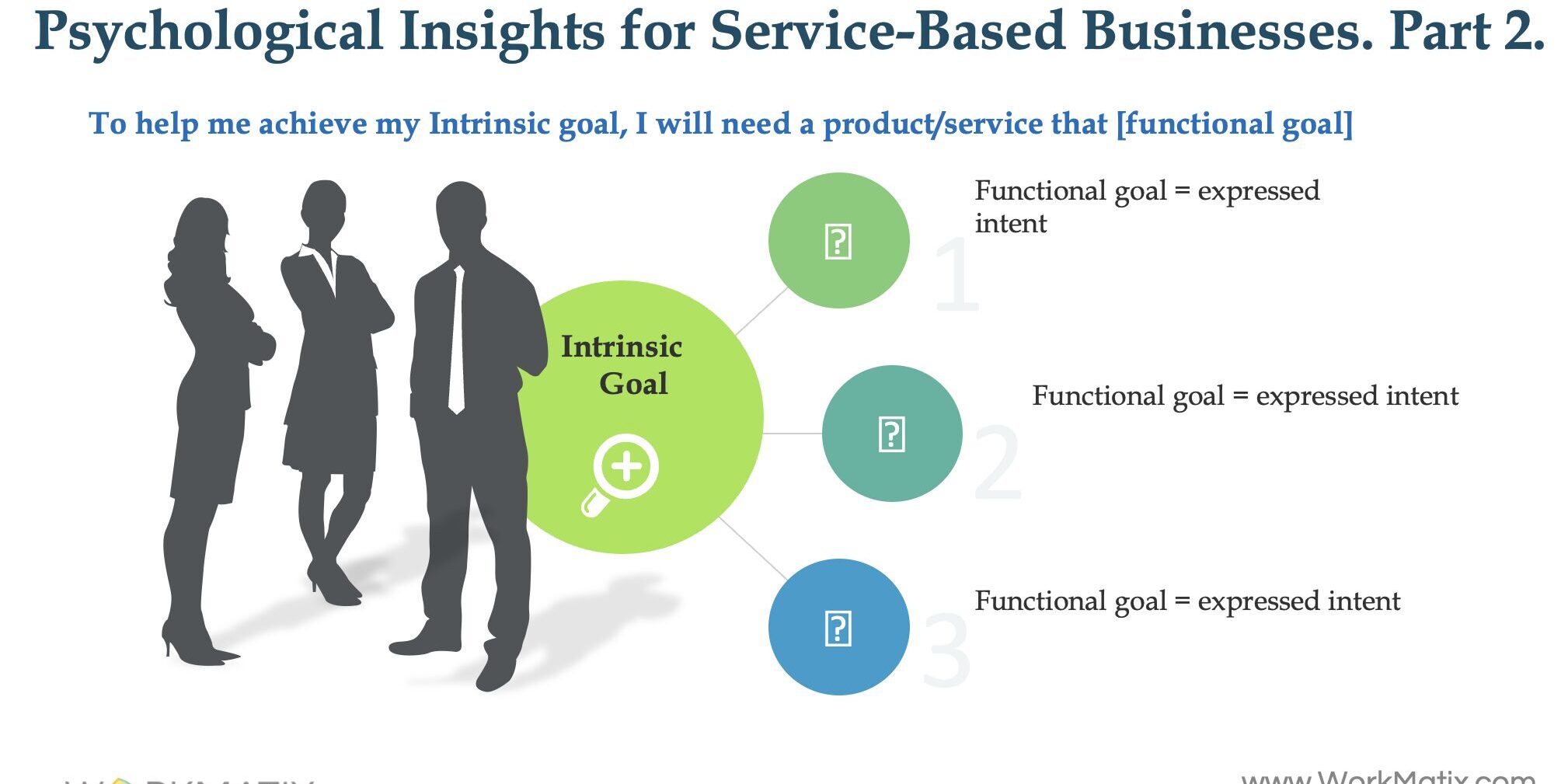
Functional vs Higher-Order Goals
As a marketer, you always want to separate these two.
Functional Goals (The “Do”)
These are practical and task-focused.
Ask:
“What are you trying to accomplish right now?”
Examples:
- Increase organic traffic
- Fix technical SEO issues
- Improve conversions
- Launch a new site without losing rankings
Higher-Order Goals (The “Why It Matters”)
These are emotional and identity-driven.
Ask:
“Beyond the functional result, how does this improve your life or role?”
Examples:
- Feeling confident in decisions
- Reducing stress
- Being seen as competent
- Protecting their reputation
- Creating stability
These goals drive action, even when buyers don’t say them directly.
Context Matters More Than You Think
To truly understand your persona, go beyond interviews. Observe behavior.
Ask yourself:
- When did they first realize they needed this?
- Who else was involved in the decision?
- Are they working around existing tools?
- Are they avoiding certain features or tasks?
- Are they adding things to your product to make it work?
- How did they feel after buying and using it?
- What were they using before they found you?
- What would they choose if you didn’t exist?
These insights are gold for SEO messaging, landing pages, and content strategy.
Key Takeaways
- B2B buyers are emotionally invested, even when decisions look rational
- Trust, clarity, and empathy matter as much as expertise
- Point A = current pain + confusion
- Point B = desired outcomes + emotional relief
- Functional goals explain what they want
- Higher-order goals explain why they act
- The best SEO personas reflect real human risk, not just job titles