What people are really trying to achieve and why it matters
Let’s start with the truth bomb:
Goals guide almost everything people do.
Without a goal, there’s no direction. No urgency. No decision.
A goal exists because there’s a gap:
- Where I am now
- Where I want to be
That gap shows up in trigger moments: when something nudges a person to act, search, click, or buy.
As a marketer, your job is to understand what goal just became active in that moment.
Why Goals Matter in Marketing
Goals:
- Focus attention
- Guide decisions
- Connect wants to actions
- Explain why someone searches, clicks, or buys
People don’t wake up wanting products.
They wake up wanting outcomes. Products are just the means.
Not All Goals Are Equal.
This is where it gets interesting
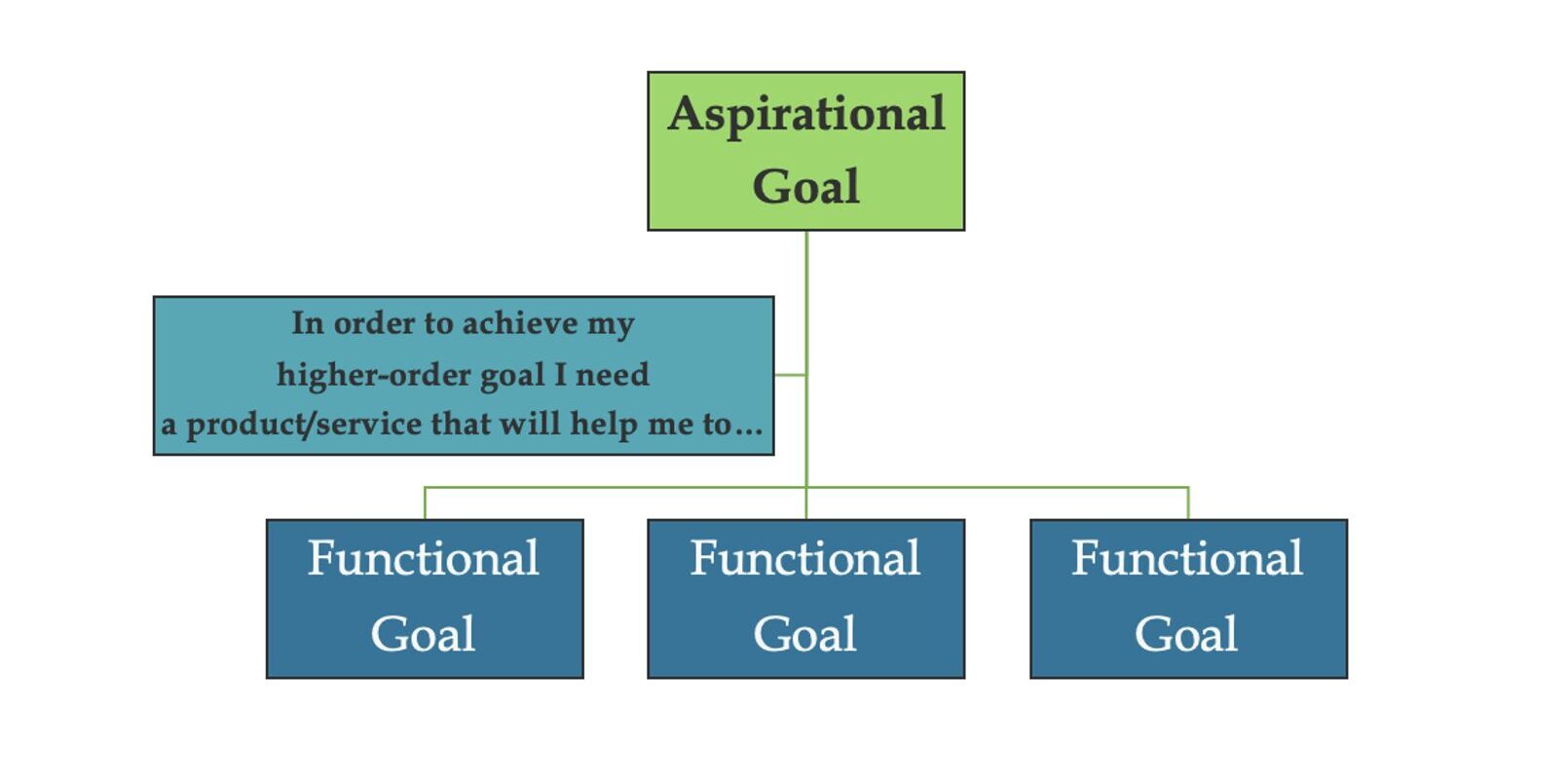
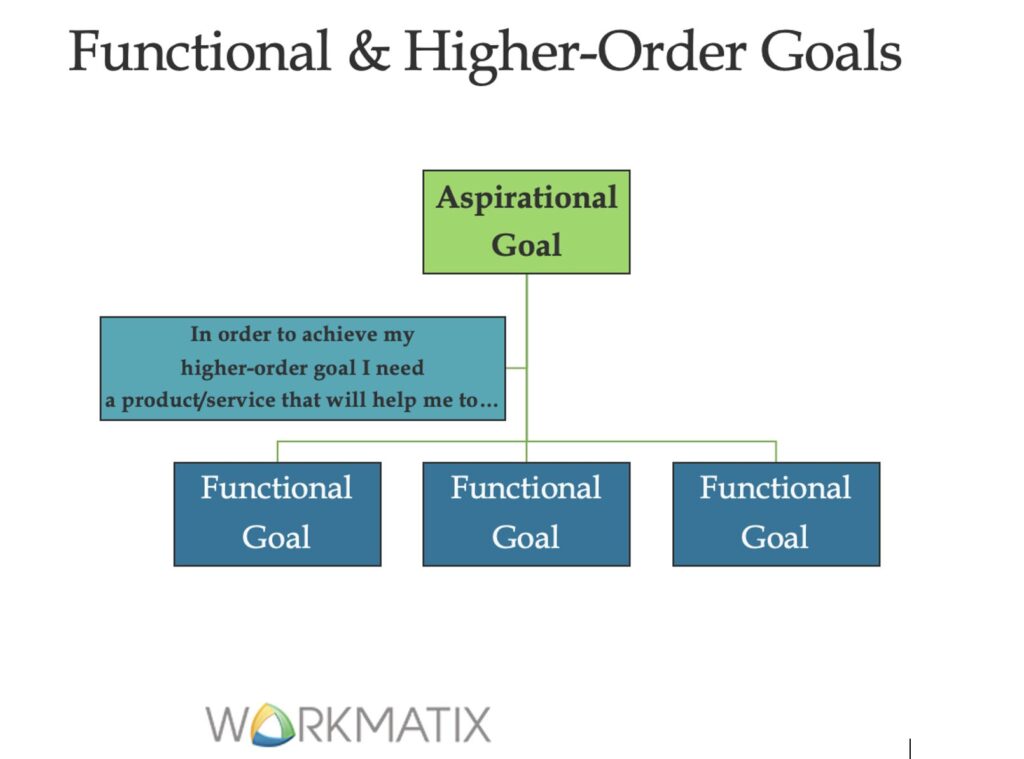
Goals sit on a spectrum, from very practical to deeply emotional.
1. Functional Goals
“What do I need to get done?”
These are:
- Conscious
- Practical
- Task-focused
- Easy to articulate
Examples:
- “Buy groceries”
- “Find an SEO agency”
- “Fix my website traffic issue”
Functional goals focus on the how:
- Steps
- Tasks
- Checklists
- Measurable actions
These goals show up clearly in search queries and shopping lists.
2. Higher-Order Goals
“What kind of outcome do I really want?”
These are:
- Aspirational
- Emotionally charged
- Tied to identity, security, success, or belonging
Examples:
- “Feel confident running my business”
- “Stop worrying about growth”
- “Be seen as competent in my role”
Higher-order goals focus on the what:
- End state
- Emotional payoff
- Bigger meaning
These goals are stronger motivators, and they usually win.
Why Emotional Goals Win
Here’s the key thing to remember:
Emotionally charged goals almost always take precedence over functional ones.
Even when someone thinks they’re being logical, emotion is deciding what gets attention first.
That’s why:
- Two goals can exist at the same time
- One rises to the top
- The most emotionally relevant goal wins in that moment
How Do Consumers Choose Which Goal to Act On?
Most of the time? They don’t consciously choose.
Instead, people act based on:
- The situation they’re in
- The pressure they’re feeling
- The goal that feels most suitable right now
The more aspirational the goal:
- The more important it feels
- The more likely it drives action
That’s why people often say:
“I don’t know why I bought it, it just felt right.”
Their behavior was goal-driven, but nonconscious. Learn more about the core connection between Jobs-to-Be-Done framework and consumer goal setting.